Evidence-based performance psychology consultations, independent academic mentoring, and commercial R&D advisory.
Academic Foundation
PhD Cognitive Neuroscience (Birkbeck)
Professional Status
Chartered Psychologist (BPS)
Applied Experience
Sporting & Industry Settings
Evidence-based consultations for competitive athletes, dedicated recreational performers, and high-stakes professionals to sharpen attentional control, master pressure, and execute reliably in critical moments.
Academic Mentoring is independent, supportive, and non-evaluative. Unlike university supervision, mentoring provides a dedicated space to develop your academic skills and confidence without being involved in assessing your work.

Commercial R&D advisory is tailored to each organisation, from short-term specialist input to longer-term research partnerships covering strategy, validation, neuroscience trials, and reporting.
Whether on the court, on stage, or navigating demanding professional moments, consistent execution under acute pressure requires more than generic mindset advice. It demands evidence-based cognitive science paired with practical, real-time psychological routines.
Drawing on extensive applied experience across sporting and industry settings, Dr. Emmanuel Ducrocq bridges attentional control theory with decisive real-world execution. The core cognitive mechanisms—rapid in-action reset protocols, structured goal architecture, error recovery, and physiological composure regulation—apply universally across competitive sport, dedicated recreational performance, performing arts, and high-stakes decision environments.
Rapid micro-reset protocols (10–15 seconds) to immediately disengage from unforced errors, neutralise frustration, and regain composure before the next point, play, or critical decision.
Structuring layered goal frameworks (outcome vs. performance vs. process goals) that anchor attention onto controllable tactical micro-actions during high-pressure events.
Neuroscience-backed attentional training and Quiet Eye techniques to lock gaze and attention onto task-critical cues, shielding execution from internal anxiety and external distractions.
Psychophysiological control techniques—deliberate respiration rhythms and autonomic down-regulation to maintain fluid motor control and clear decision-making when stakes elevate.
Tailored preparation sequences blending mental priming, deliberate activation, and visual motor rehearsal to produce consistent, automated execution under pressure.
Cognitive reframing strategies that replace self-doubt and negative internal commentary with task-instructive focus cues, sustaining confidence when momentum shifts.
Academic Mentoring is independent, supportive, and non-evaluative. Unlike university supervision, mentoring provides a dedicated space to develop your academic skills and confidence without being involved in assessing your work.
Support can cover the whole research journey—from developing ideas, research design, and academic writing to methodology, statistics, interpreting findings, managing the dissertation process, and preparing for a viva.
It provides a confidential space to navigate the wider postgraduate journey—from academic challenges and research decisions to self-doubt, anxiety, motivation, feeling overwhelmed, and maintaining confidence and perspective. The aim is not to replace your university supervisor, but to provide additional guidance and support to help you become a more confident, independent researcher.
Dedicated confidential guidance to address self-doubt, research anxiety, motivational dips, feeling overwhelmed, and maintaining perspective throughout your degree.
Developing early-stage ideas, rigorous experimental frameworks, quantitative hypotheses, and structured empirical data collection protocols.
Practical clarity in statistical analyses, data synthesis, drawing robust conclusions, and communicating empirical findings with confidence.
Structuring academic writing, managing the overall thesis milestones, handling examiner feedback, and preparing thoroughly for oral viva examinations.
Commercial R&D advisory is tailored to each organisation, from short-term specialist input to longer-term research partnerships. Support can include research strategy and design, neuroscience and behavioural research, technology and product validation, data interpretation, scientific evidence reviews, and technical reporting.
Drawing on experience across academia, technology, sport, defence and commercial R&D, I can support projects from early-stage ideas through to research delivery and communication.
Rigorous scientific validation protocols and intervention trials to empirically assess health-tech products, digital apps, and wearable performance devices.
Applying cognitive neuroscience paradigms, attentional metrics (eye-tracking, dwell time), and human factors evaluation to digital interfaces and complex operator systems.
Authoring high-level scientific evidence reviews, data synthesis, white papers, and comprehensive technical reports tailored for stakeholders, regulators, and commercial partners.
Available for short-term specialist input, scientific advisory boards, and long-term commercial research collaborations across academia, technology, sport, and defence.
Discuss Commercial R&DA clear, low-friction roadmap designed to transition from initial enquiry to measurable cognitive and performance outcomes.
A focused initial consultation via secure video call. We clarify your competitive schedule, performance hurdles, research scope, or R&D parameters to ensure precise consultation fit.
A systematic cognitive, attentional, or methodological evaluation. We map pressure triggers, focus vulnerabilities, statistical questions, or experimental trial design needs.
Deployment of bespoke in-action routines (Quiet Eye, tactical self-talk, reset triggers) or empirical research milestones—reinforced through iterative review and objective feedback.
Evidence-based insights published in peer-reviewed scientific journals.
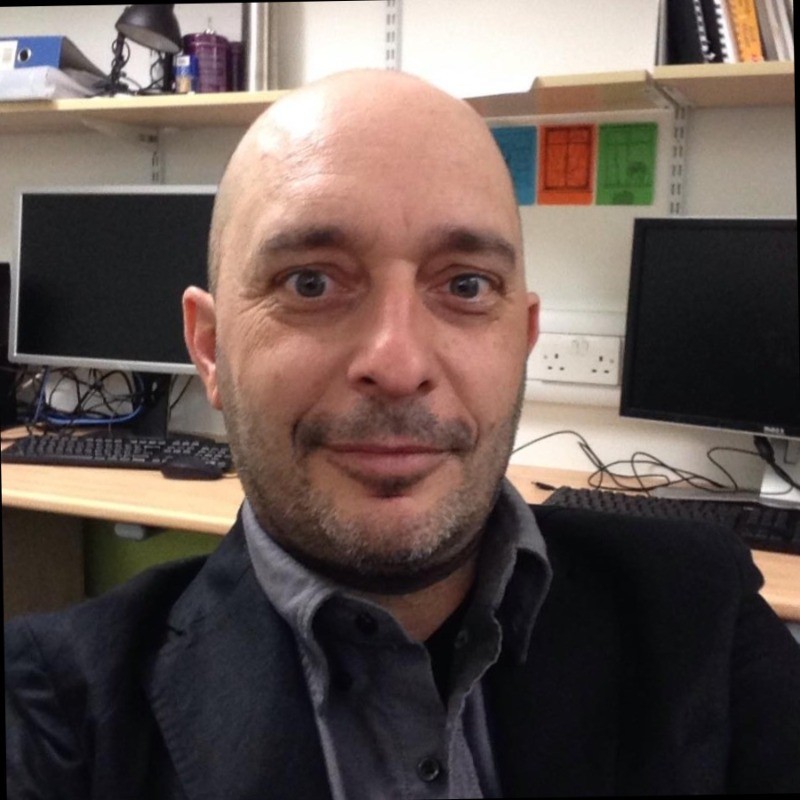
Dr. Emmanuel Ducrocq
1755253617708.jpeg
PhD Cognitive Neuroscience
Chartered Psychologist (BPS)
My work is dedicated to understanding how the human mind attends, learns, makes decisions, and performs under demanding conditions. By bridging cognitive neuroscience with applied psychology, I help individuals and organisations translate scientific evidence into practical strategies for performance and development.
I earned my PhD in Cognitive Neuroscience from Birkbeck, University of London, where my research examined attention, working memory, anxiety, and performance under pressure. My research has been published in international scientific journals including Cortex and the Journal of Sport & Exercise Psychology.
As a Chartered Psychologist, I work with athletes and individuals in other performance-focused settings, providing evidence-based psychological support for performing under pressure, attentional control, confidence, preparation, and competition or performance routines. I also provide independent academic mentoring to postgraduate students, supporting them through the intellectual and psychological challenges of postgraduate study, research, and dissertation work.
Alongside my work with individuals, I provide commercial R&D advisory, research design, and human factors expertise to organisations. My consultancy experience spans cognitive performance, attention and behaviour, psychophysiology, human-system interaction, and the scientific evaluation of technologies, products, and applied research programmes.
Common questions regarding consultation arrangements, independent academic mentoring, and commercial advisory partnerships.
Select your domain of interest below to submit an enquiry. All consultations and discussions are strictly confidential.
Enquiries are reviewed directly by Dr. Emmanuel Ducrocq. Typical response time is within 24–48 hours.